Accurate water depth measurement is one of the most important first steps when planning a small boat marina, harbour basin or floating pontoon project.
If the design team does not know the real water depth, the marina layout, pontoon position, anchoring system and project cost can all change later. Therefore, measuring the depth before design helps reduce risks, avoid surprises and keep the project closer to the planned budget.
Top Marine has built floating pontoons and small boat marinas for decades. In our experience, one issue appears again and again: small boat marina projects often start without accurate depth data for the water area and the nearby shoreline.
Old hydrographic charts and local knowledge can help, but they are not always available or accurate enough. As a result, mistakes in water depth measurement can increase the total project cost. For example, if a marina project costs €130,000, a 6% cost increase would mean €7,800.
Why is water depth measurement important?
Water depth measurement helps the design team make better decisions before construction starts. It affects the marina layout, pontoon position, anchoring method, chain length, installation work and total cost.
Accurate depth data helps answer questions such as:
- where the pontoons should be placed;
- how long the access structures or gangways need to be;
- where boats can safely moor;
- which anchoring method works best;
- how long the anchor chains should be;
- whether the bottom profile creates any design risks;
- how much the final solution may cost.
Depth data is especially important when planning pontoon anchoring. In many floating pontoon projects, the anchoring system includes concrete weights, chains and fastening points or chain locks. If the depth data is wrong, the chain length and anchoring calculations may also be wrong.
How does water depth affect anchoring?
As a practical rule of thumb, the anchor chain length is often about five times the water depth. For example, if the average water depth in a marina basin is 3 m, the chain may need to be about 15 m long.
However, if the real depth is 8–10 m instead of 3 m, a 15 m chain would be too short. In that case, the project may need longer chains, different anchors or a different layout.
That is why water depth measurement should come before the final design. It helps the designer choose the right anchoring solution and avoid expensive changes later.
What is the solution?
The solution is simple: measure and map the water depth before starting the final marina design.
Top Marine can measure the depth with special equipment and map the harbour area before the team finalises the layout, pontoon system and anchoring solution. This gives the design team more reliable data and helps reduce errors in cost calculations.
A clear depth map also makes communication easier between the client, designer, installer and marina owner.
How do you measure water depth for a marina?
The water depth measurement process is straightforward.
- Project review
First, contact Top Marine and describe the harbour, marina or pontoon project. We review the location, project goals and the need for depth measurement. - On-site measurement
At the agreed time, our specialist comes to the site with a boat and measuring equipment. The boat tows a sensor through the harbour area and maps the water depth. In many small harbour projects, the measurement work takes only a few hours. - Data processing and depth map
After the measurement, we check the collected data and prepare a hydrographic chart or depth map for the harbour basin. The design team can then use this information for the marina design, pontoon layout and anchoring calculations.
Water depth measurement before choosing pontoons
Water depth affects not only the anchoring system but also the pontoon type and layout. A shallow shoreline may require a longer access route to reach usable water depth. A deeper harbour basin may need stronger anchoring and a different chain solution.
For demanding marina and harbour projects, a heavy duty pontoon is often the strongest option. In protected harbour basins, timber pontoons with concrete floats can also work well. For sheltered small boat harbours and inland waterways, boat pontoons with plastic floats may be a practical choice.
Before choosing the final pontoon type, compare the site conditions, water depth, intended use and required load capacity. You can start with our guide: Which floating pontoon should you choose?.
If you are still in the early planning stage, this article may also help: How to choose a pontoon – 3 important things to consider.
Pontoon accessories and marina planning
Accurate water depth data also helps plan pontoon accessories. Depending on the marina layout, you may need anchoring, gangways, mooring equipment, safety equipment, service pedestals or pump-out stations.
For example, water depth can affect:
- the anchoring method;
- the position and length of gangways;
- boat mooring arrangements;
- the location of service pontoons;
- installation work and lifting access;
- the final cost of the pontoon system.
You can also test different pontoon layouts in the Top Marine web application and get an idea of the project cost. In addition, our guide on how to order a floating pontoon explains the full process from first idea to installation.
Example project: Vaheri Boat Harbour
Top Marine measured the water depth at Vaheri Boat Harbour as part of the design process. After the measurement, we prepared a hydrographic chart of the harbour basin and used the results to support the marina renovation.
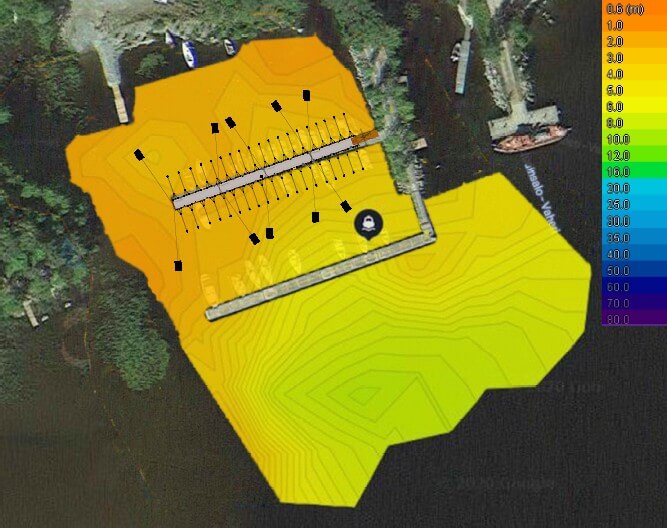
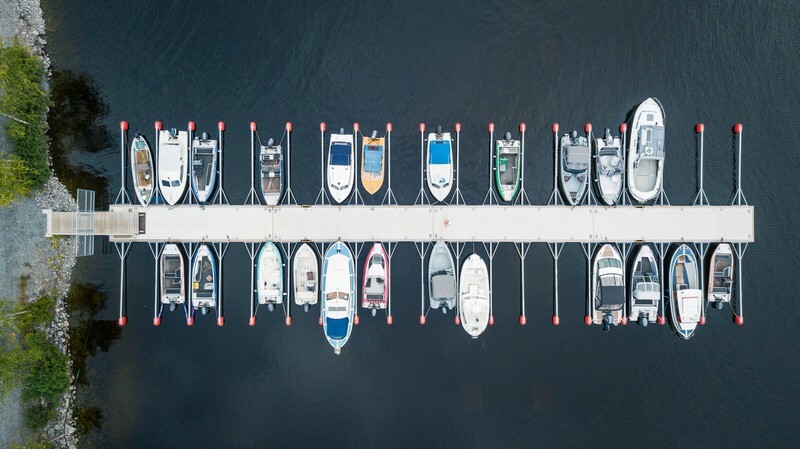
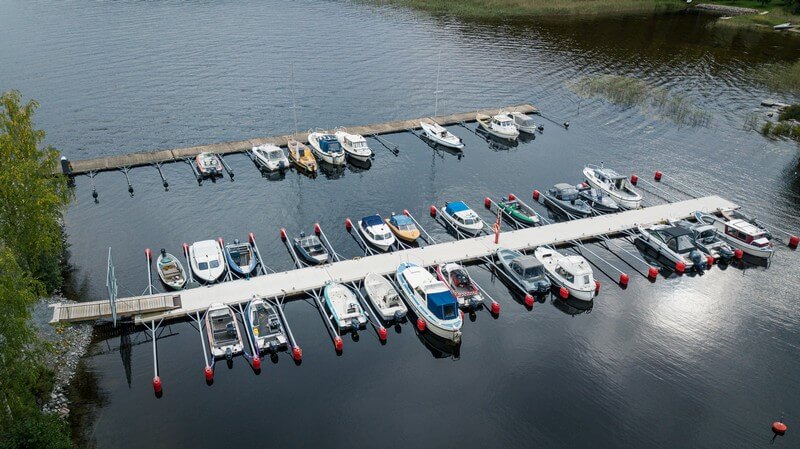
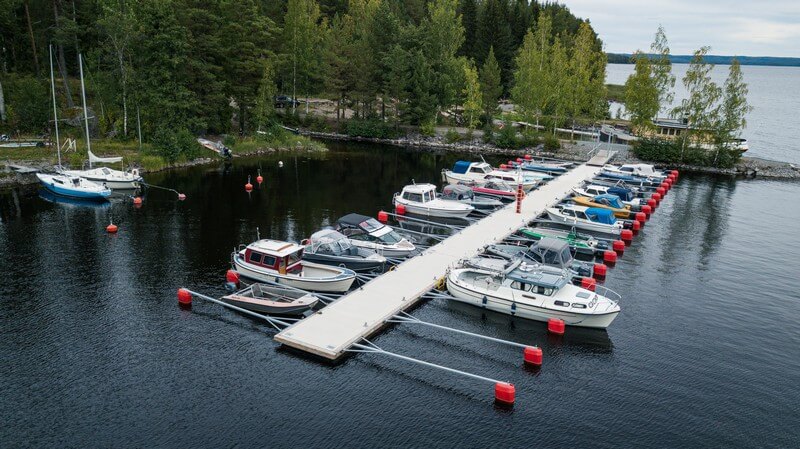
After that, Top Marine continued as the main contractor for the harbour renovation. We completed the design, delivered the pontoons and installed the floating pontoon system from start to finish.
What did the client say?
“We chose Top Marine to carry out our project on the basis of a tender. We already had some experience from last year with the installation of Vaheri pontoon, and selecting your enterprise from the tender proved to be a good choice.
Everything was done on time and precisely, with any delays being due to our side. The service was friendly, communication was simple, and phone calls and messages were answered promptly. The team of installers also deserves praise for their service and professional work.
Yes, we would definitely recommend Top Marine. The completed project looks great. The quality is good and the service is excellent.”
Satu Korpela
City of Jämsä, gardener
Planning a small boat marina?
If you are planning a new small boat marina, upgrading an old harbour or choosing a floating pontoon solution, start with accurate depth data.
Contact Top Marine and tell us about your project. We can help with water depth measurement, pontoon layout, anchoring, accessories and installation planning.