Are you planning a small floating pontoon for a summer home, private waterfront or bathing area? At some point, you will need to decide whether to build a DIY pontoon dock or buy a ready-made floating pontoon.
Both options can make sense. A DIY project gives you freedom and can help you save money if you have the skills, tools and time. A ready-made pontoon gives you a tested solution, suitable materials and support with the technical details.
The right choice depends on your budget, site conditions, intended use and how much responsibility you want to take for design, materials, stability and installation.
DIY pontoon dock or complete solution?
Before choosing, think about what you really want from the project. Do you enjoy building things yourself, or do you mainly want a safe and reliable pontoon that is ready to use?
Here is a simple comparison.
| DIY pontoon dock | Ready-made floating pontoon |
|---|---|
| You can design the pontoon around your own idea. | The solution has already been tested in real projects. |
| You may be able to use some materials you already have. | The materials are selected for long-term use in water. |
| The project can be cheaper if you already have the tools and skills. | You save time on design, sourcing, cutting, assembly and installation. |
| Building the pontoon can be a fun project with family or friends. | You can usually plan the delivery and installation more clearly. |
| You control the building schedule. | The product and installation may include warranty and maintenance options. |
| Mistakes with buoyancy, dimensions or materials can make the pontoon unstable. | The upfront cost is usually higher than building something yourself. |
| Poor site assessment can lead to damage from waves, wind or ice. | During the busy spring season, delivery and installation times may be longer. |
| Finding the right floating pontoon materials can take time. | Custom details may need to be discussed before production. |
A DIY pontoon can be a good project for a protected private location. However, it still needs careful planning. Floats, frame materials, decking, fasteners and anchoring all need to suit the water environment and the expected use.
What to check before building a DIY pontoon dock
If you want to build the pontoon yourself, start with the site. A good location makes the project much easier. An exposed location can make even a strong pontoon unsafe or impractical.
Check at least these points:
- water depth
- shoreline type
- wind exposure
- wave height
- ice conditions
- intended use
- expected number of users
- whether you need boat mooring, swimming access or both
Our guide about floating pontoon location explains these site factors in more detail.
Water depth also affects the pontoon length, anchoring and usability. If the shoreline is shallow and suitable depth starts far from land, the project may need a much longer pontoon than you first expected. You can read more in our article about water depth measurement.
DIY pontoon floats and materials
Many DIY projects start with one question: what kind of pontoon floats should I use?
The floats are only one part of the structure, but they affect stability, load capacity and safety. The frame, decking, fasteners and anchoring system also matter. Materials that work well on land may not last in water, especially when they are exposed to UV radiation, moisture, waves and winter conditions.
When choosing floating pontoon materials, pay attention to:
- buoyancy and load capacity
- corrosion resistance
- UV resistance
- slip resistance on the deck
- safe edges and access points
- how the pontoon will be anchored
- whether the structure can handle movement from waves and users
Saving money on the wrong materials can become expensive later. A pontoon that looks fine at first may become unstable, difficult to use or hard to maintain if the dimensions or materials are not suitable.
If you only need separate components for a project, you can also review Top Marine pontoon accessories, such as anchoring equipment, ladders, fenders and safety products.
The do-it-yourself type
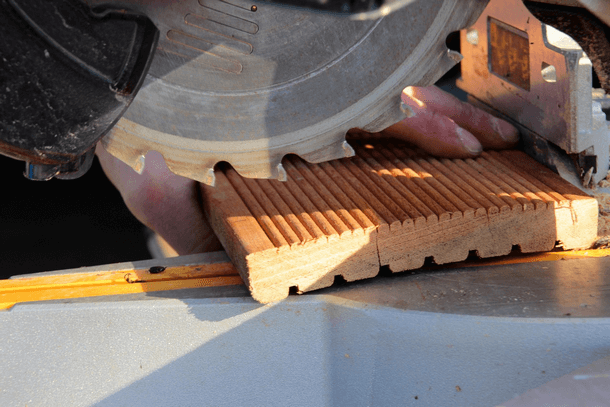
A DIY builder usually has a clear idea and enjoys hands-on work. They want to understand the structure, choose the materials and take part in the whole process.
A DIY pontoon dock may suit you if:
- you have practical building experience
- you understand the site conditions
- you have time to plan and build
- you want to control the design
- you accept that the final result depends on your own decisions
This option can be rewarding, but it also places more responsibility on you. You need to think through stability, load, anchoring, material durability and safe use.
If you are still choosing between different pontoon types, start with this guide: Which floating pontoon should you choose?
The ready-made solution buyer
A ready-made solution is often the better choice when you want a reliable pontoon without spending your free time on design, sourcing materials and assembly.
This option may suit you if:
- you want a tested pontoon solution
- you value time and convenience
- you need help choosing the right pontoon type
- the location has more demanding conditions
- you want professional guidance before making the final decision
For private boat mooring in sheltered or inland waters, boat pontoons with plastic floats may be suitable. For bathing and recreational use, swimming pontoons or the Swimming Pontoon ECO may be a better match.
For marinas, commercial use or more demanding locations, heavy duty pontoons or timber pontoons with concrete floats may be more suitable.
A ready-made pontoon usually costs more than a basic DIY project, but it can save time and reduce the risk of mistakes.
The install-it-yourself type
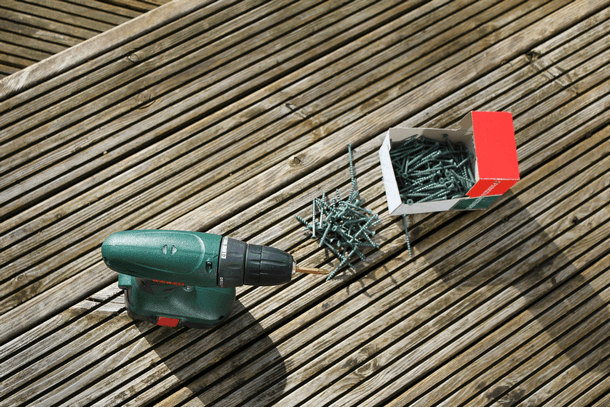
Some customers prefer a middle option. They do not want to design and build everything from scratch, but they still want to take part in the final setup.
This type of solution may suit you if:
- you enjoy practical work
- you want a prepared product rather than a full DIY build
- the location is sheltered and easy to access
- you want to save on installation where possible
- you still want product support and a clearer starting point
The Swimming Pontoon ECO is a good example of this type of solution. It can be transported on a trailer and installed quickly in suitable, protected locations.
How to make the right decision
Ask yourself three simple questions before you decide.
1. Do I have the time and skills to build safely?
A DIY pontoon can be enjoyable, but it needs more than basic carpentry. You also need to think about buoyancy, stability, anchoring and long-term durability.
2. Is the location easy or demanding?
A small sheltered lake or protected private waterfront is very different from an exposed coast or windy marina basin. The more demanding the site, the more important professional review becomes.
3. Do I want to save money or save time?
DIY can reduce the initial cost if you already have the skills, tools and materials. A ready-made pontoon can save time and reduce uncertainty.
For a broader overview, read also: How to choose a pontoon – 3 important things to consider
In conclusion
A DIY pontoon dock can be a good choice if you enjoy building, understand the site and accept responsibility for the design. It can also be a rewarding project for a small, protected private waterfront.
A ready-made floating pontoon is usually the better option when you want a tested solution, professional support and less risk. It is also more suitable when the location, use or load requirements are more demanding.
For early planning and an indicative price, you can use the Top Marine web app. If you want help choosing the right solution, contact Top Marine.